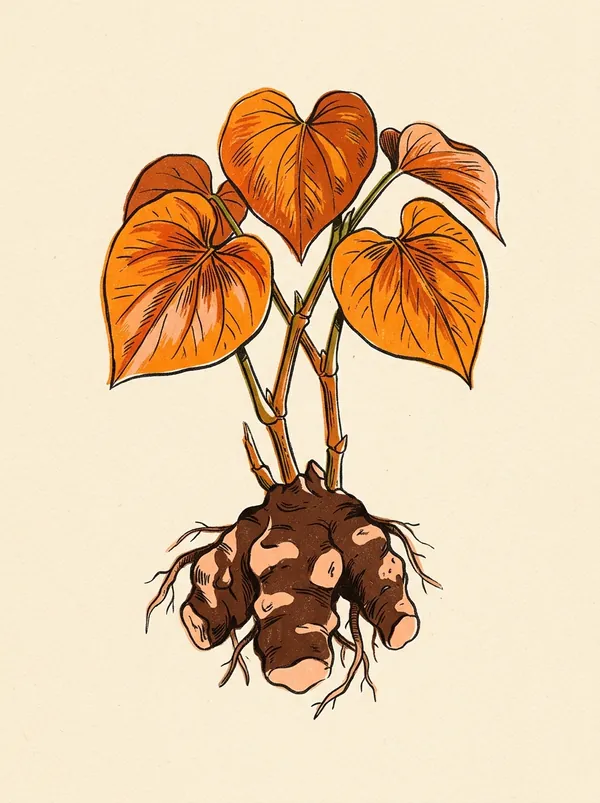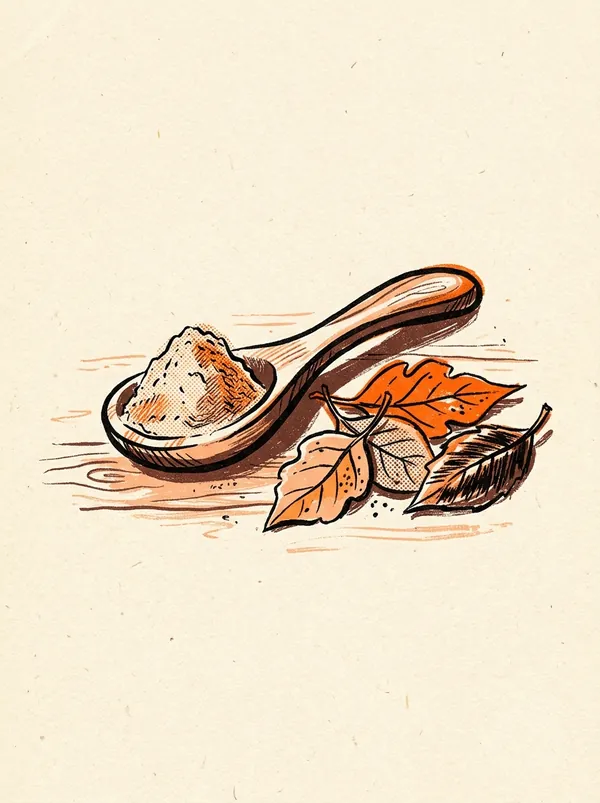
Half the confusion on botanical labels isn’t about the plant at all. It’s about the format. The same root can show up as a bag of powder, a capsule of 10:1 extract or a dropper bottle, and the numbers on each mean different things. Here’s how I read them, side by side.
Side by side
| Feature | Powder | Extract | Tincture |
|---|---|---|---|
| What it is | The dried plant part, ground | Plant soaked in a solvent, then concentrated, often dried back to a powder | A liquid extract, traditionally alcohol and water |
| How it’s made | Dry, grind, sift | Water, alcohol or CO2 pulls compounds out; the solvent is removed | Plant steeped in the liquid, then strained |
| What’s in it | Everything in that plant part, fiber included | Mostly what the solvent pulled out; little fiber | Whatever dissolved in the liquid, plus the liquid |
| How strength is shown | Grams of plant per serving | A ratio (like 10:1) or a standardized % of key compounds | Plant-to-liquid ratio (like 1:5) and alcohol % |
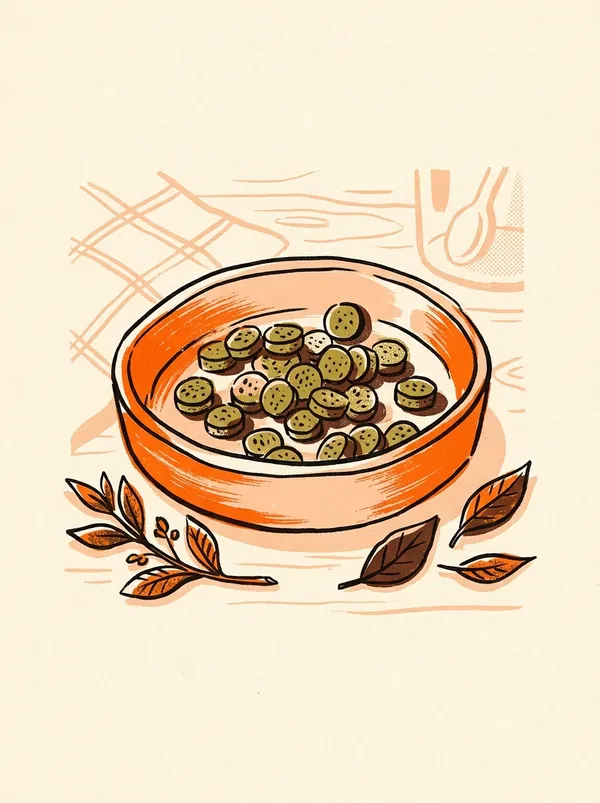
| Common forms sold | Loose powder, capsules, tea cut | Powdered extract, capsules, tablets, gummies | Dropper bottles |
| How it’s usually taken | Stirred into water or a drink, or in capsules | In capsules, tablets or gummies | Drops in water or juice |
| Taste | Tastes like the plant, which isn’t always a compliment | Usually hidden inside a capsule or tablet | Strong, with an alcohol bite unless glycerin-based |
| Shelf life | Shorter; keep dry and sealed | Varies; keep dry | Long; the alcohol helps preserve it |
| Legal status in the US | Same as the plant inside | Same as the plant inside | Same as the plant inside |
| What to check on the label | Latin name, plant part, batch COA | Ratio or %, solvent, batch COA | Ratio, alcohol %, plant part, batch COA |
Which one fits what you’re after
If you care about
the whole plant, nothing removed
→ Powder
Least processed; fiber and all
If you care about
more of the target compounds per gram
→ Extract
Concentrated; compare by ratio or, better, by standardized %
If you care about
a long shelf life
→ Tincture
Alcohol keeps it stable for a long time
What I check on the label
- Ratio vs standardized %: a ratio shows concentration; a % shows how much of the key compounds. The % is more useful.
- Which solvent? Water, alcohol and CO2 pull out different compounds from the same plant.
- Tinctures: alcohol % and the plant-to-liquid ratio. Alcohol-free versions use glycerin.
- Any format: a lab report (COA) that matches the batch number.
Is it legal where you live? Rules for kratom and 7-OH change by state and city. Check the state-by-state map on 7-OH Laws →
Common questions
Is an extract stronger than a powder?
Gram for gram, an extract holds more of whatever the solvent pulled out. That says nothing about quality, and the ratio alone doesn’t tell you how much of the key compounds are inside.
What does 10:1 mean on a label?
Ten parts of dried plant went into one part of extract. It describes concentration. A standardized percentage, such as “30% kavalactones,” tells you more.
Do tinctures contain alcohol?
Traditional tinctures do, and the label should give the percentage. Alcohol-free versions use glycerin and are often called glycerites.
Which format is best?
There’s no best, only trade-offs: powder for the whole plant, extracts for concentration, tinctures for shelf life. The label and the lab report matter more than the format.
Sources (3)
— Dan
Updated by Dan Mercer.